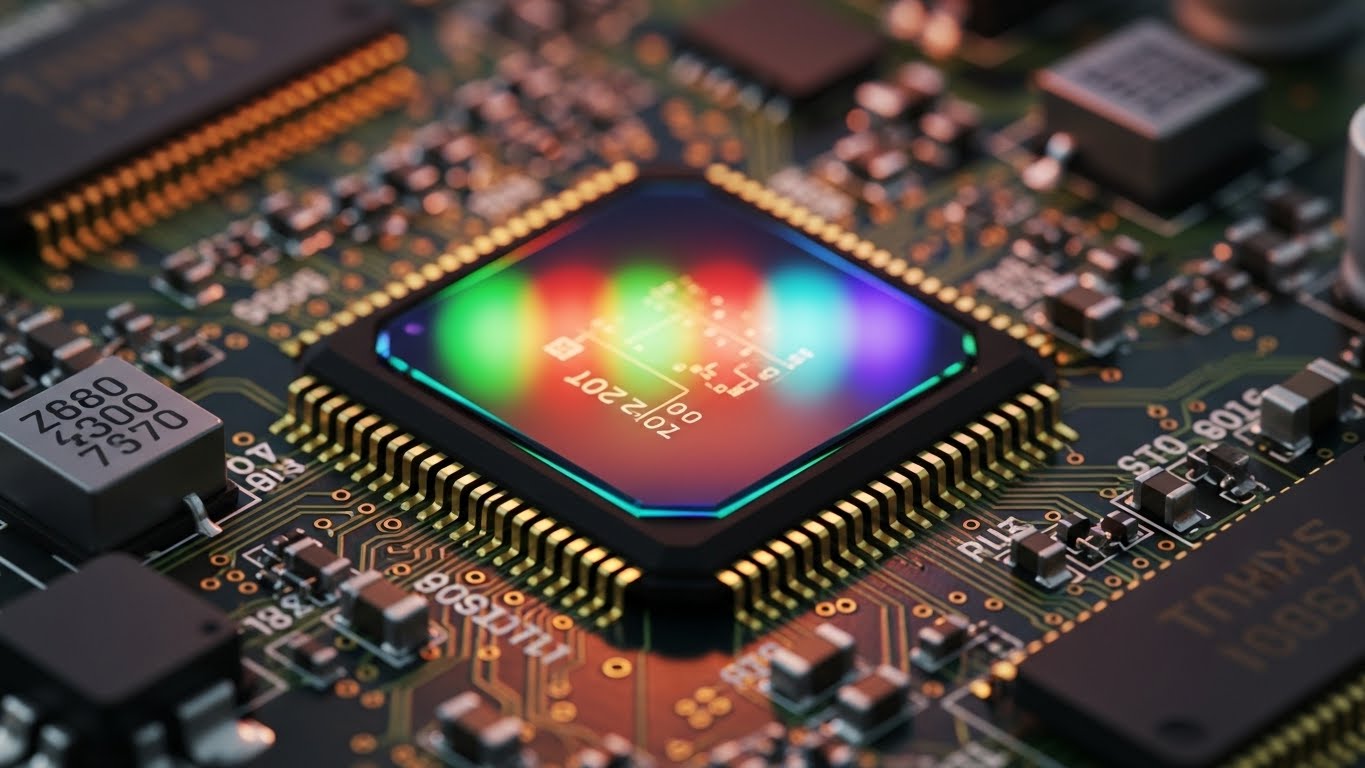

Technology has become the cornerstone of modern life, reshaping the way we communicate, work, and live. From smartphones in our pockets to artificial intelligence systems managing complex tasks, technology permeates every aspect of human existence. Its rapid evolution is not only altering daily routines but also redefining the possibilities for the future. In this blog, we explore some of the most transformative technological trends, their implications, and what the future holds for humanity.
The Rise of Artificial Intelligence
Artificial Intelligence, often abbreviated as AI, is no longer a concept of science fiction. It is a reality that is revolutionizing industries across the globe. AI systems can analyze vast amounts of data, recognize patterns, and make predictions with incredible accuracy. From virtual assistants that help manage our schedules to complex algorithms used in healthcare diagnostics, AI is reshaping the way humans interact with machines.
Machine learning, a subset of AI, allows computers to learn from experience without explicit programming. This capability has enabled AI to improve performance over time, creating opportunities for automation in various sectors. Businesses now rely on AI-driven analytics to make strategic decisions, while AI-powered chatbots enhance customer service by providing instant responses and solutions.
The implications of AI extend far beyond convenience. In healthcare, AI can detect diseases at earlier stages, potentially saving countless lives. In transportation, autonomous vehicles promise to reduce accidents and increase efficiency. However, the rise of AI also raises ethical and social concerns. Questions about privacy, job displacement, and decision-making by machines remain central to the ongoing debate about AI’s role in society.
Blockchain: Redefining Trust and Transparency
Blockchain technology, initially popularized by cryptocurrencies, has evolved into a tool with far-reaching applications. At its core, blockchain is a decentralized digital ledger that records transactions in a secure and transparent manner. This technology ensures that data cannot be altered retroactively, making it a reliable method for tracking information.
Beyond financial applications, blockchain is finding its place in supply chain management, healthcare, and even voting systems. By providing a transparent record of every transaction, blockchain can reduce fraud and enhance accountability. Companies can track products from production to delivery, ensuring authenticity and ethical practices. In healthcare, blockchain can secure patient records while allowing authorized professionals to access critical information instantly.
The decentralized nature of blockchain challenges traditional centralized systems, potentially transforming industries that rely on intermediaries. This shift towards trustless systems empowers individuals and organizations to interact directly without relying on third parties, fostering efficiency and security.
The Internet of Things: Connecting the World
The Internet of Things, commonly known as IoT, represents the next stage in technological connectivity. IoT refers to the network of physical devices embedded with sensors, software, and connectivity capabilities that allow them to collect and exchange data. From smart homes to industrial automation, IoT is turning ordinary objects into intelligent devices.
In everyday life, IoT devices enhance convenience and efficiency. Smart thermostats adjust temperatures based on user behavior, wearable devices monitor health metrics, and connected appliances streamline household management. In industries, IoT enables predictive maintenance, reducing downtime and operational costs. Cities are adopting smart technologies to optimize traffic flow, reduce energy consumption, and improve public safety.
Despite its benefits, IoT presents challenges in data security and privacy. Each connected device can potentially serve as a point of vulnerability, making cybersecurity a critical consideration. As IoT continues to expand, ensuring secure and ethical use of data will be essential to fully harnessing its potential.
Virtual and Augmented Reality: Beyond the Screen
Virtual Reality (VR) and Augmented Reality (AR) are transforming the way we experience digital content. VR immerses users in a completely virtual environment, while AR overlays digital elements onto the real world. These technologies are no longer limited to gaming and entertainment; they are increasingly used in education, training, healthcare, and marketing.
In education, VR allows students to explore historical events, scientific phenomena, and distant locations without leaving the classroom. AR enhances learning by providing interactive experiences that make abstract concepts tangible. In healthcare, surgeons use AR-assisted tools to perform precise procedures, improving patient outcomes. In the business world, VR and AR enable immersive product demonstrations and remote collaboration, bridging the gap between physical and digital interactions.
The adoption of VR and AR is accelerating as hardware becomes more affordable and software more sophisticated. As these technologies evolve, they have the potential to redefine human experiences, making interactions more engaging, intuitive, and meaningful.
5G Technology: A New Era of Connectivity
The rollout of 5G networks marks a significant leap in connectivity, promising faster speeds, lower latency, and higher capacity. Unlike previous generations of mobile networks, 5G is designed to handle the massive influx of connected devices and data-intensive applications that define the modern digital landscape.
For consumers, 5G means seamless streaming, faster downloads, and enhanced online gaming experiences. For industries, it enables real-time communication between devices, facilitating automation, remote monitoring, and smart infrastructure. Autonomous vehicles, smart cities, and telemedicine are some areas that stand to benefit immensely from 5G’s capabilities.
The deployment of 5G is not without challenges. Infrastructure costs, spectrum allocation, and cybersecurity concerns are critical factors that need careful consideration. Nonetheless, 5G is poised to accelerate technological innovation and transform how we live, work, and interact.
Sustainable Technology: Balancing Innovation and Environment
As technology advances, the importance of sustainability cannot be overlooked. The environmental impact of digital devices, data centers, and electronic waste is a growing concern. Sustainable technology focuses on developing solutions that minimize environmental harm while maximizing societal benefits.
Renewable energy, energy-efficient computing, and eco-friendly materials are becoming integral to technological development. Companies are investing in green data centers powered by solar and wind energy, while innovations in recycling aim to reduce electronic waste. Sustainable technology also extends to smart agriculture, where sensors and AI optimize resource use, reducing water and energy consumption.
The integration of sustainability into technology is not only a moral imperative but also a business opportunity. Consumers increasingly demand environmentally responsible products, and companies that prioritize sustainability are more likely to thrive in the long term.
Ethical and Social Implications of Technology
While technological advancements bring numerous benefits, they also raise ethical and social questions. The use of AI in decision-making, data privacy concerns, and the digital divide are pressing issues that require careful consideration. Technology has the power to empower, but it can also exacerbate inequality if access is uneven.
Policymakers, businesses, and individuals must collaborate to ensure responsible technology use. Ethical frameworks, transparent regulations, and public awareness are essential to navigating the complex landscape of modern technology. Balancing innovation with societal well-being is crucial for creating a future where technology serves humanity rather than dominating it.
The Future: A World Transformed
Looking ahead, the pace of technological innovation shows no signs of slowing. Emerging fields such as quantum computing, bioengineering, and space exploration promise to unlock new frontiers. Quantum computing has the potential to solve problems that are currently intractable, while bioengineering could revolutionize healthcare and agriculture. Space exploration may open up new resources and habitats for humanity.
The integration of these technologies will redefine what it means to live, work, and interact in the 21st century. Adaptability, lifelong learning, and ethical awareness will be essential skills for navigating a world where technology is deeply intertwined with every aspect of life.
Conclusion
Technology is a force that continuously reshapes human existence, driving progress and creating new possibilities. From artificial intelligence and blockchain to IoT, VR, 5G, and sustainable innovation, the future is being built today. While challenges related to ethics, security, and environmental impact remain, responsible development and thoughtful integration can ensure that technology enhances human life in meaningful ways.
As we stand on the brink of unprecedented technological change, embracing innovation while maintaining our values and humanity will define the world we create. The journey of technology is ongoing, and its potential is limited only by our imagination, creativity, and commitment to making the future better for all.