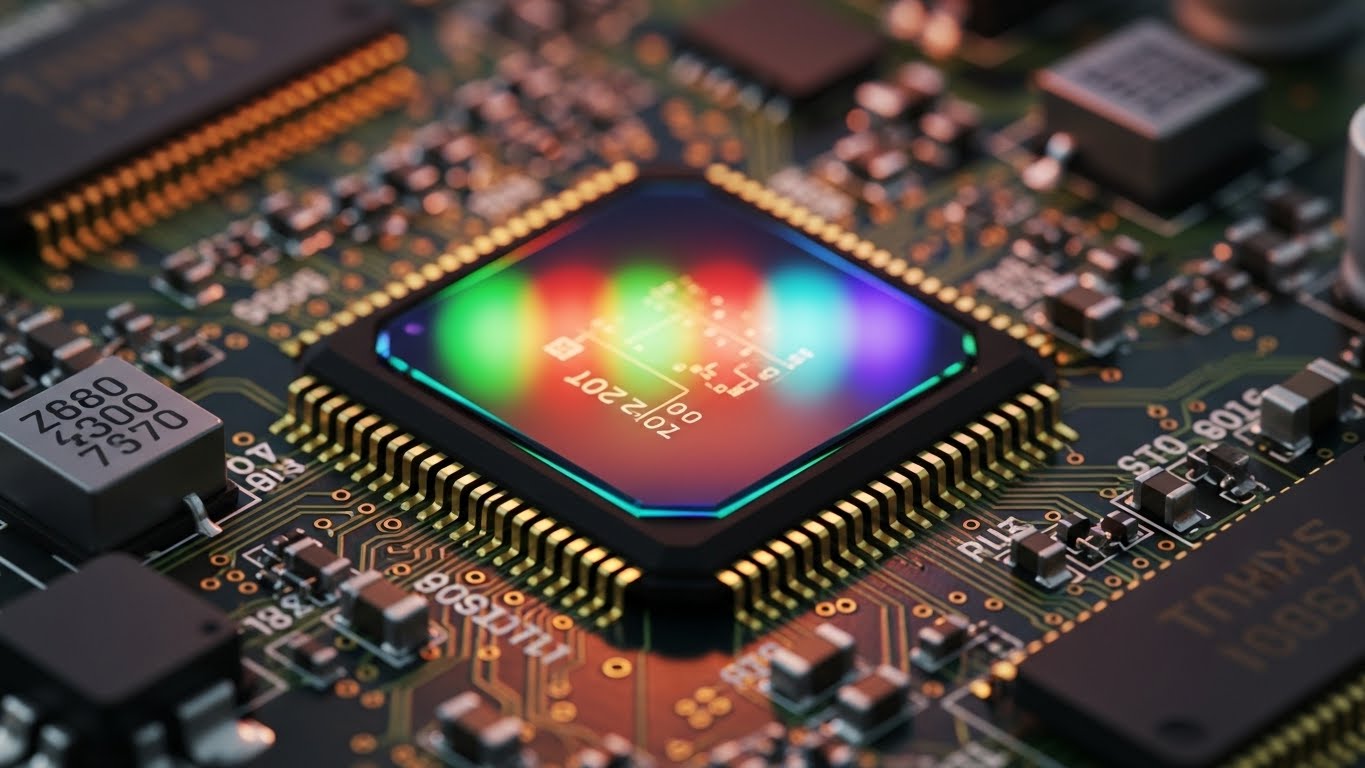
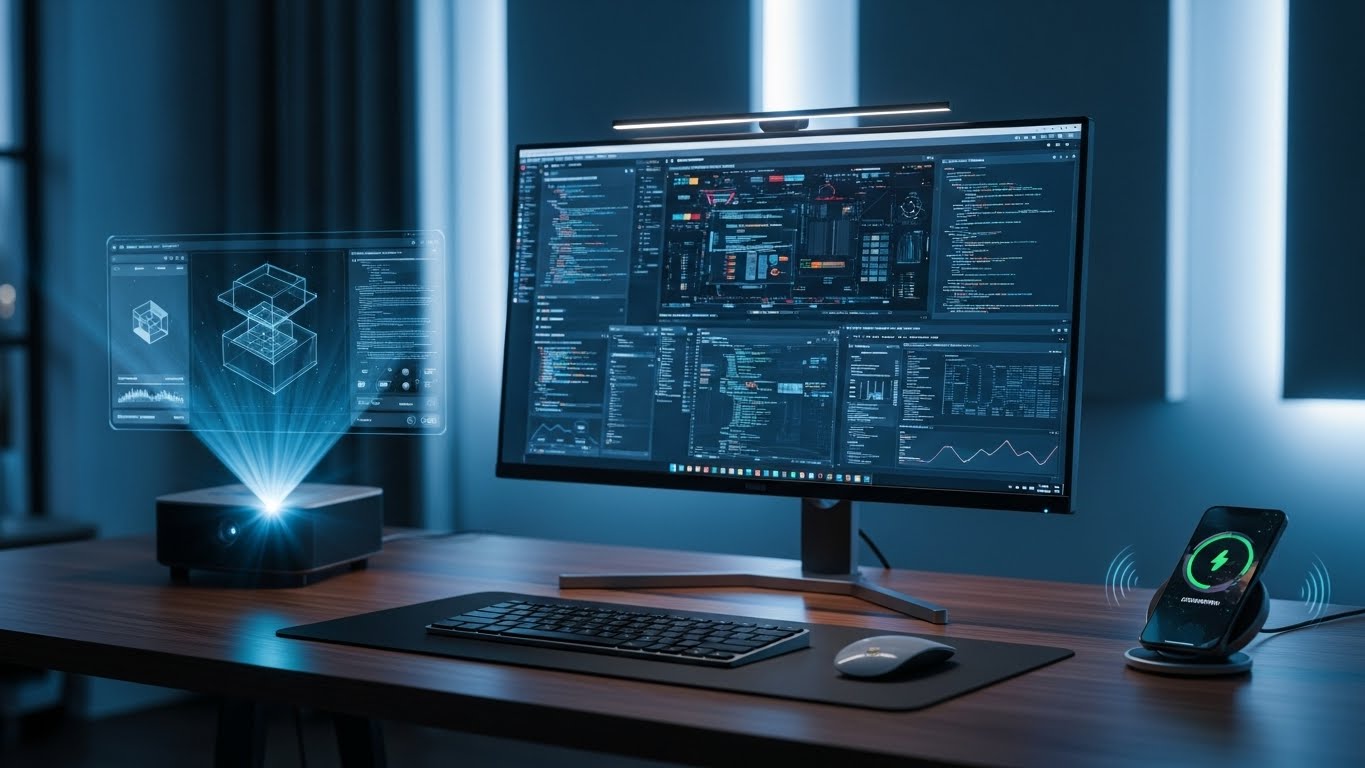
In our rapidly changing world, technology is the driving force behind nearly every major development. From the way we communicate to how we work, live, and even think, technology is at the heart of all progress. What was once unimaginable is now becoming reality, and the trajectory of innovation suggests that the future will bring even more astonishing transformations. This blog explores the technologies that are shaping the future, how they impact our lives, and what we can expect in the years to come.
The Rise of Artificial Intelligence: Redefining Human Potential
Artificial Intelligence (AI) has been one of the most talked-about advancements of the 21st century. In just a few short decades, AI has evolved from theoretical concepts to powerful tools integrated into almost every aspect of our lives. From virtual assistants like Siri and Alexa to advanced machine learning algorithms driving recommendation systems on platforms like Netflix and YouTube, AI is already embedded in the fabric of our daily routines.
But AI is not just about making our lives more convenient—it’s revolutionizing industries. In healthcare, AI is used to predict patient outcomes, assist in diagnosing diseases, and even develop personalized treatment plans. In the automotive industry, AI is the backbone of autonomous vehicles, pushing the boundaries of what’s possible in terms of transportation. Similarly, AI is transforming finance, supply chains, customer service, and more, all while opening up new frontiers in creativity and problem-solving.
Looking ahead, AI will become even more powerful and integrated into our lives. With advancements in natural language processing (NLP), AI will not only understand and interpret human speech but also engage in more complex conversations and tasks. Furthermore, AI’s ability to learn and improve continuously means that its applications will continue to grow, leading to possibilities we haven’t even imagined yet.
Quantum Computing: Unlocking Limitless Potential
When most people think of computing, they envision traditional computers that process information in binary—zeroes and ones. However, quantum computing is set to redefine the very foundation of computation. Unlike classical computers, which rely on bits to represent data, quantum computers use quantum bits or qubits. These qubits can exist in multiple states simultaneously, a phenomenon known as superposition. This property allows quantum computers to solve problems that would take classical computers millennia to complete, such as simulating molecular structures for drug discovery or solving complex optimization problems in logistics and finance.
Though still in its early stages, quantum computing holds the promise of unlocking vast new realms of computational power. For instance, industries such as pharmaceuticals could benefit from faster and more accurate drug simulations, while climate scientists could model complex systems to better understand and mitigate climate change. The implications for AI and machine learning are also profound, as quantum computers could process vast datasets far more efficiently, leading to faster advancements in these fields.
However, quantum computing is not without its challenges. Researchers are working to overcome issues such as qubit stability and error correction, but once these obstacles are cleared, quantum computing could radically reshape industries and society as a whole.
5G and the Internet of Things (IoT): Connecting Everything
The rollout of 5G networks is one of the most exciting technological developments in recent years. With speeds up to 100 times faster than current 4G networks, 5G promises to revolutionize how we connect with each other and interact with technology. But it’s not just about faster download speeds—5G is designed to support an explosion of connected devices, from smartphones to wearables, smart home devices, and industrial machines.
This explosion of connected devices is part of the larger trend known as the Internet of Things (IoT), where everyday objects are embedded with sensors and connected to the internet to share data and improve efficiency. In smart cities, IoT devices can monitor traffic patterns, control streetlights, optimize energy use, and more. In agriculture, IoT sensors can track soil moisture levels and weather conditions to help farmers make data-driven decisions and improve crop yields.
The combination of 5G and IoT is laying the groundwork for a hyper-connected world. Autonomous vehicles, for example, rely on real-time data from sensors to navigate the world safely. Industrial IoT (IIoT) allows factories to optimize operations, predict maintenance needs, and reduce downtime. In healthcare, IoT-enabled devices can monitor patients’ health remotely, providing doctors with real-time data for more accurate diagnoses.
As 5G networks continue to expand, the IoT ecosystem will grow exponentially, transforming industries, cities, and homes, while creating new opportunities for innovation across sectors.
Blockchain: Beyond Cryptocurrency
Blockchain technology has garnered significant attention due to its association with cryptocurrencies like Bitcoin. However, the true potential of blockchain lies far beyond digital currencies. At its core, blockchain is a decentralized, distributed ledger technology that allows data to be securely stored across a network of computers, making it nearly impossible to alter or tamper with the information once it’s recorded.
This property makes blockchain ideal for applications that require transparency, security, and trust. In finance, blockchain is already being used to enable faster, more secure transactions without the need for intermediaries such as banks. In supply chains, blockchain ensures the traceability of goods, allowing consumers to verify the authenticity and origin of products. Even in voting systems, blockchain could provide a secure and transparent way to conduct elections, minimizing the risk of fraud or tampering.
As blockchain technology matures, it will continue to disrupt industries beyond finance. From healthcare to logistics, real estate, and even entertainment, the ability to create secure, transparent, and decentralized networks will unlock new efficiencies, reduce fraud, and build trust between parties.
Augmented Reality (AR) and Virtual Reality (VR): Transforming Experiences
Augmented Reality (AR) and Virtual Reality (VR) are technologies that immerse users in new environments or enhance their real-world experiences with digital elements. While VR is often associated with fully immersive virtual worlds, AR overlays digital information onto the real world, enhancing a user’s perception of their environment.
In the entertainment industry, VR has already made waves with video games, offering players fully immersive worlds where they can interact with their surroundings. But VR’s potential goes beyond entertainment. In education, VR can simulate historical events or allow students to explore the human body in 3D, enhancing learning experiences. In healthcare, VR is used in therapy, helping patients manage pain or anxiety, while surgeons use VR simulations to practice complex procedures.
AR is making its mark in retail, where apps allow users to visualize products in their homes before making a purchase. It’s also enhancing navigation, providing real-time information about the environment, from points of interest to directions. With the advent of smart glasses and other wearable AR devices, the line between the physical and digital worlds will continue to blur.
In the future, we can expect AR and VR to merge into even more immersive experiences, from virtual tourism to remote work environments, further transforming how we interact with technology and each other.
Biotechnology and Health Tech: Merging Medicine with Innovation
Advancements in biotechnology and health technology are paving the way for a new era of personalized medicine. With innovations like gene editing, CRISPR, and wearable health monitors, we are on the cusp of a medical revolution. Gene-editing technologies have the potential to cure genetic diseases by directly modifying a person’s DNA. Meanwhile, health tech is improving the way we monitor and manage our well-being, with devices that track everything from heart rate and blood sugar levels to sleep patterns.
Telemedicine has also emerged as a game-changer, allowing patients to consult with doctors remotely, reducing the need for in-person visits. This is particularly beneficial in rural or underserved areas, where access to healthcare may be limited. Meanwhile, AI-powered tools are helping doctors make more accurate diagnoses by analyzing medical images, lab results, and patient history, leading to better treatment outcomes.
Looking ahead, biotechnology will continue to make strides in areas like regenerative medicine, organ transplants, and cancer treatment. Wearable devices will become more sophisticated, allowing for continuous monitoring of health conditions, leading to more proactive care.
Conclusion: Embracing the Future of Technology
The future of technology is both exciting and challenging. With innovations like AI, quantum computing, 5G, blockchain, and biotechnology transforming every facet of our lives, we are entering a new era where the possibilities seem limitless. These technologies have the potential to solve some of humanity’s most pressing problems, from climate change to healthcare disparities, and create new opportunities for growth and innovation.
However, as with all progress, there are challenges that need to be addressed. Ethical considerations, privacy concerns, and the potential for job displacement due to automation are all issues that must be carefully navigated as we embrace these technological advances. As we move forward, it will be essential for society to adapt to these changes, ensuring that technology is used responsibly and for the greater good.
Ultimately, the future of technology holds the promise of a more connected, efficient, and sustainable world, but it will require thoughtful planning and collaboration to unlock its full potential. One thing is certain: the technology of tomorrow will look very different from the world we know today, and the journey toward that future is just beginning.