
Introduction
The world of entertainment has undergone countless transformations over the decades, from the days of silent films to the golden era of television, from vinyl records to CDs and MP3s. However, one of the most profound shifts of the 21st century has been the rise of streaming. Streaming has not only changed how we consume music, movies, and television shows, but it has also reshaped the business models of industries, the behaviors of audiences, and the very culture of entertainment. The shift from physical ownership and scheduled programming to on-demand, digital access has democratized entertainment and placed the power of choice in the hands of consumers. This blog explores in detail how streaming changed entertainment and the many ways it continues to influence the future of creative industries.
The Traditional Entertainment Model
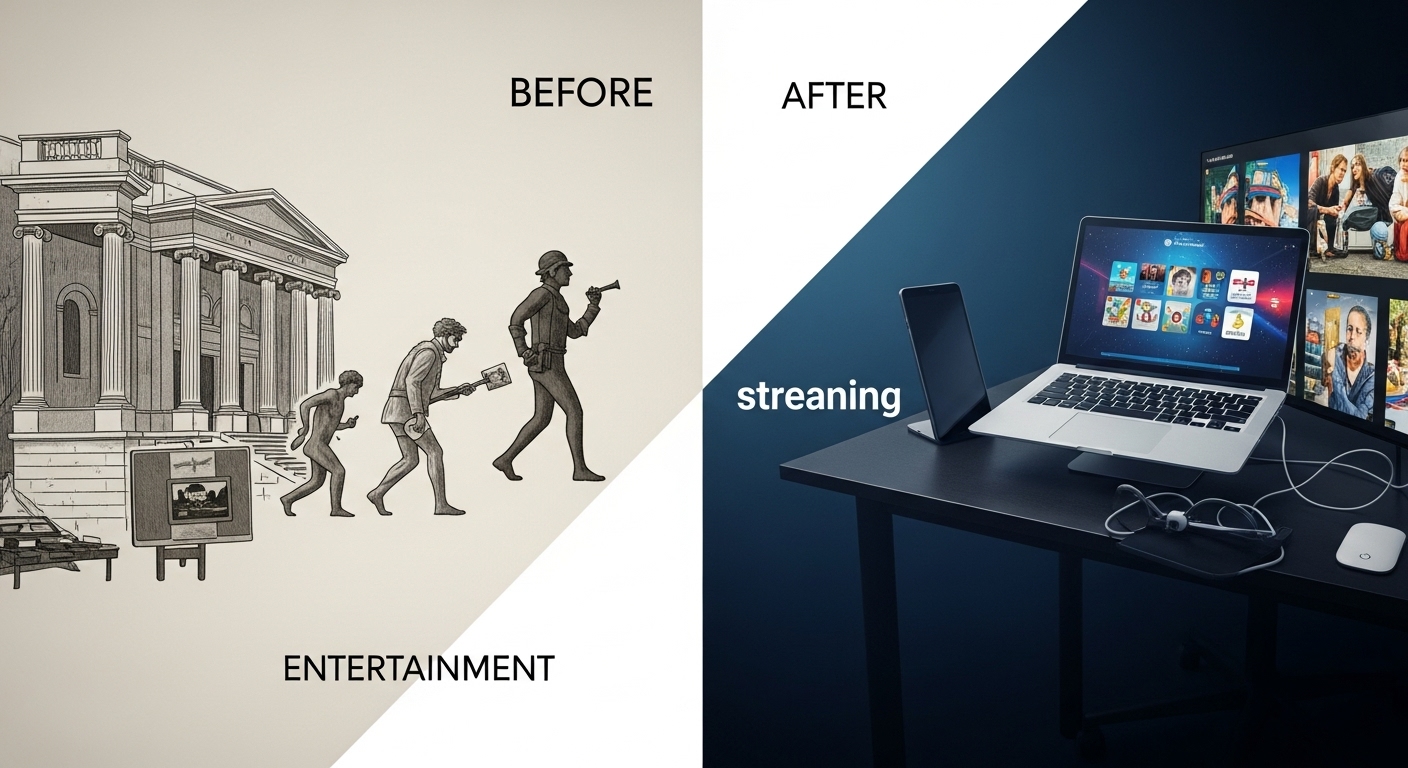
Before streaming, entertainment followed a model that revolved around ownership and scheduling. Movies were released in theaters, often with months or years before they could be purchased on DVD or VHS. Television shows aired weekly at specific times, requiring audiences to plan their lives around programming schedules or record them on VCRs. Music was distributed through physical media, starting with vinyl records, followed by cassettes and CDs. Consumers had to buy what they wanted, often purchasing entire albums to access just a few favorite songs.
These models meant that entertainment companies held control over distribution, availability, and pricing. While they were profitable for the industries involved, they limited the flexibility and accessibility for audiences. Consumers had little choice but to adapt to the schedules and formats dictated by corporations.
The Birth of Streaming
Streaming began to emerge as internet speeds improved in the late 1990s and early 2000s. Initially, it was more popular for music, with platforms that allowed songs to be played online without downloading. Video streaming followed as technology advanced, leading to services that could deliver television shows and movies directly over the internet.
At first, streaming was seen as a supplementary option to traditional media. Many doubted it could replace DVDs, television networks, or physical music collections. However, as broadband became more widespread and devices like smartphones, tablets, and smart TVs proliferated, streaming gained momentum. It soon became clear that the convenience of pressing play anytime and anywhere would change entertainment forever.
The Shift from Ownership to Access
One of the most significant changes streaming introduced was the shift from ownership to access. Previously, audiences collected DVDs, CDs, or digital downloads as proof of ownership. With streaming, people no longer needed to own physical or digital copies; instead, they could access massive libraries of content for a subscription fee.
This shift reduced the costs for consumers who no longer had to pay for each album, movie, or season individually. It also encouraged experimentation, as people could explore new genres, artists, or shows without financial risk. The idea of paying for access rather than ownership marked a psychological and cultural transformation in how entertainment was valued.
On-Demand Convenience
Streaming brought convenience to an unprecedented level. Audiences no longer had to wait for a scheduled broadcast or drive to a store to buy a DVD. Everything became available at the click of a button. This on-demand culture changed habits and expectations. Viewers began watching television series in long sittings, leading to the phenomenon of binge-watching. Music lovers created endless playlists instead of relying on radio stations.
Convenience also extended to portability. Smartphones and tablets meant that people could consume entertainment anywhere, whether during commutes, at the gym, or while traveling. The idea of entertainment being tied to a specific time and place became obsolete.
The Rise of Binge-Watching
One of the most visible cultural changes streaming created was binge-watching. Instead of waiting week by week for new episodes, entire seasons of shows could be released at once, encouraging viewers to watch multiple episodes in a single sitting. This not only changed how stories were told but also how they were experienced.
Writers and producers began to adapt their storytelling to suit this new habit, creating series with cliffhangers that encouraged extended viewing sessions. Binge-watching became a cultural phenomenon, discussed in workplaces, online communities, and social media. It reflected the new ways audiences connected with content and each other.
The Impact on Music
Music streaming platforms completely disrupted the music industry. Instead of purchasing physical albums or digital downloads, audiences turned to services that offered millions of songs for a subscription fee or even free with advertisements. This shift drastically changed how revenue was generated.
For artists, streaming provided both opportunities and challenges. On one hand, it gave independent musicians a platform to share their work globally without needing record label backing. On the other hand, the payout per stream was often much lower than traditional sales, sparking debates about fair compensation.
Despite these concerns, streaming has become the dominant way people consume music. Playlists, algorithm-driven recommendations, and the ability to instantly access nearly any song have changed listening habits forever.
The Transformation of Television and Film
The film and television industries were equally transformed. Streaming services invested heavily in original programming, producing high-quality shows and movies that rivaled those of traditional networks and studios. This shift disrupted the dominance of cable and broadcast television, as many consumers began cutting the cord in favor of streaming subscriptions.
Streaming also gave international content unprecedented visibility. Shows from different countries could now reach global audiences, breaking down cultural barriers. This created a new era of cross-cultural entertainment, where audiences explored stories from around the world rather than being limited to local programming.
The Decline of Traditional Media
The rise of streaming led to the decline of physical media sales, DVD rentals, and even traditional cable subscriptions. Video rental stores, once a staple of weekend entertainment, virtually disappeared. Cable providers lost subscribers as people chose streaming platforms that offered more flexibility and affordability.
This decline also forced traditional networks and studios to adapt by launching their own streaming services. The entertainment industry shifted from a few dominant players to a competitive landscape where multiple platforms fought for consumer attention.
Personalized Recommendations and Algorithms
One of the game-changing aspects of streaming is the use of algorithms to personalize recommendations. By analyzing user behavior, streaming platforms suggest music, shows, or films tailored to individual preferences. This personalization enhances user experience and keeps audiences engaged for longer periods.
Algorithms also influence what becomes popular. Viral shows, trending songs, and breakout artists often owe their success to recommendation systems that push content to millions of users. This algorithm-driven culture has reshaped entertainment discovery and consumption patterns.
The Democratization of Content Creation
Streaming platforms opened new opportunities for creators. Musicians, filmmakers, and independent producers no longer needed traditional gatekeepers like record labels or major studios to reach audiences. With lower barriers to entry, a wider range of voices, perspectives, and creative styles entered the entertainment space.
This democratization gave rise to niche markets and diverse storytelling. Audiences could find content tailored to their unique tastes rather than relying on mass-market productions. Independent creators, podcasters, and YouTubers found success by leveraging streaming platforms to build loyal fan bases.
The Globalization of Entertainment
Streaming has made entertainment truly global. A song released in one country can become a global hit overnight. Foreign-language television shows and films have gained international popularity, proving that audiences are open to diverse stories when accessibility barriers are removed.
This globalization fosters cultural exchange, increases awareness of different traditions, and introduces audiences to new artistic perspectives. It also challenges traditional ideas of what entertainment can be, as global hits no longer need to conform to Western storytelling norms.
Challenges of Streaming
Despite its many benefits, streaming also presents challenges. The sheer number of platforms and subscriptions can overwhelm consumers and strain household budgets. Content fragmentation means that viewers must subscribe to multiple services to access all the shows or movies they want.
For artists and creators, the revenue model continues to be a contentious issue. While streaming provides exposure, the financial returns are often smaller compared to traditional distribution models. Piracy, competition, and market saturation also create hurdles for the industry.
Streaming and the Future of Entertainment
The future of entertainment will continue to be shaped by streaming. Technologies such as artificial intelligence, virtual reality, and augmented reality are likely to be integrated into streaming platforms, creating even more immersive experiences. Interactive shows, where viewers can influence the storyline, are already emerging and could become more widespread.
Furthermore, as internet connectivity expands globally, more regions will gain access to streaming services. This will not only grow audiences but also increase the diversity of content being produced. Sustainability may also become a focus, with companies exploring eco-friendly ways to deliver data as demand for streaming continues to rise.
Cultural Shifts Created by Streaming
Streaming has not only changed industries but also culture itself. It has altered how people socialize, how they discuss entertainment, and how communities form. Shared experiences now take place online, with fans gathering in digital spaces to discuss their favorite shows or songs.
It has also influenced language, trends, and global conversations. Iconic series, viral music videos, and memes often originate from streaming platforms, showcasing their power in shaping cultural dialogue. Entertainment has become more interactive and participatory than ever before.
Conclusion
Streaming has fundamentally changed entertainment in ways few could have predicted just two decades ago. It has shifted power from companies to consumers, offering on-demand access, personalization, and global reach. It has transformed music, television, and film industries while opening opportunities for creators and audiences alike. While challenges remain, streaming continues to drive innovation and cultural evolution.
Entertainment is no longer bound by schedules, geography, or ownership. Instead, it is defined by accessibility, choice, and diversity. Streaming is not just a technological advancement but a cultural revolution that continues to redefine what entertainment means in the modern world.