
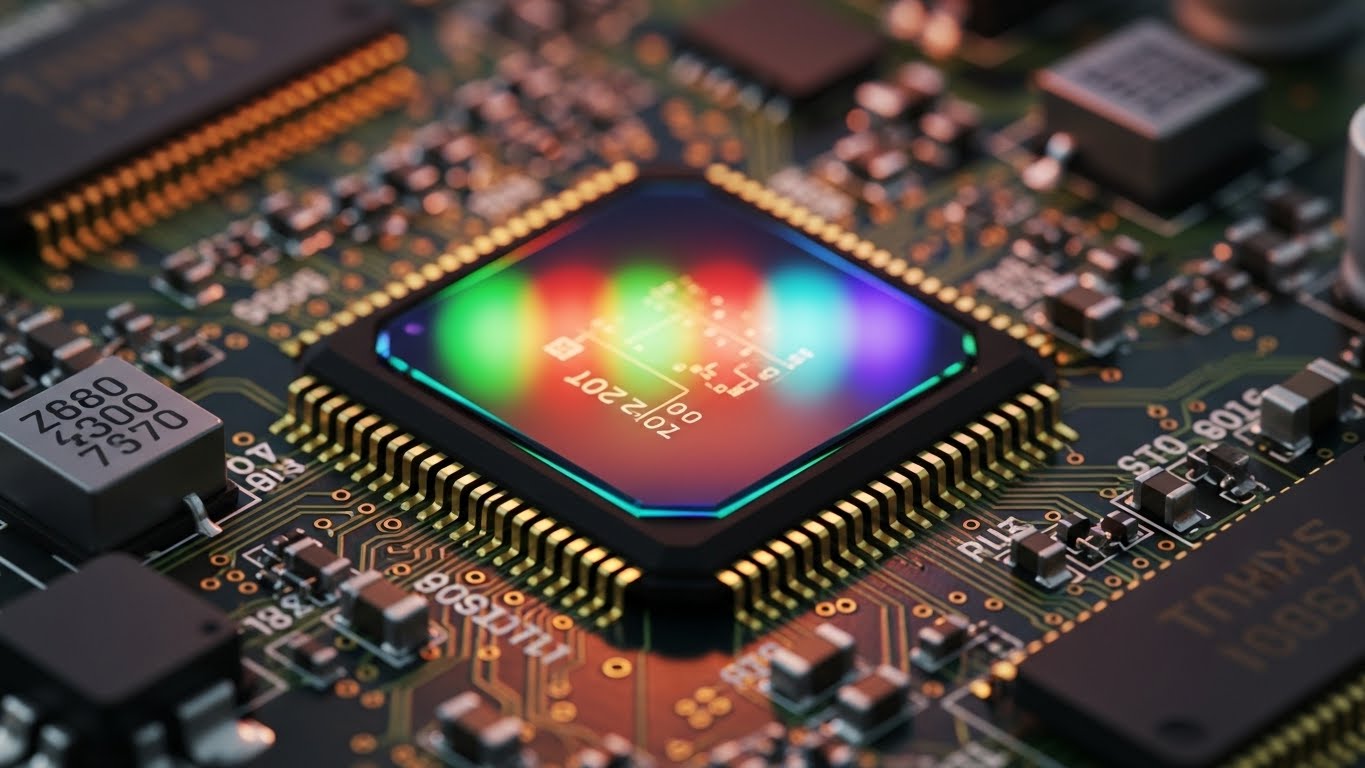
Technology has always been a driving force behind societal progress, but in the 21st century, its pace of change is unprecedented. From artificial intelligence to quantum computing, the innovations emerging today are transforming industries, economies, and daily life at a speed few could have predicted. In this blog, we will explore some of the most significant technological trends, how they are impacting society, and what the future may hold.
Artificial Intelligence and Machine Learning: The Minds Behind Modern Machines
Artificial intelligence (AI) and machine learning (ML) are no longer just concepts in sci-fi movies; they are integral parts of our daily lives. AI systems are capable of performing complex tasks such as natural language understanding, facial recognition, and predictive analytics with remarkable accuracy. Machine learning, a subset of AI, allows systems to learn from data, improving performance over time without explicit programming.
In healthcare, AI is revolutionizing diagnostics and patient care. Algorithms can analyze medical images faster than human radiologists, identifying anomalies such as tumors or fractures with high precision. Similarly, predictive analytics in healthcare allows doctors to forecast disease progression and tailor treatments for individual patients. Outside healthcare, AI is enhancing customer experiences in retail, powering recommendation systems, and even enabling autonomous vehicles to navigate safely in complex environments.
However, the rise of AI also raises ethical concerns. The risk of bias in AI systems, privacy issues, and the potential for job displacement are significant challenges. As AI continues to evolve, balancing innovation with ethical responsibility will be crucial for its sustainable integration into society.
Quantum Computing: Unlocking the Power of the Impossible
Quantum computing represents a paradigm shift in the way we process information. Unlike classical computers, which use bits to represent either 0 or 1, quantum computers use qubits that can exist in multiple states simultaneously. This allows quantum systems to perform complex calculations exponentially faster than traditional computers.
Industries such as cryptography, pharmaceuticals, and material science stand to benefit immensely from quantum computing. For instance, quantum algorithms can simulate molecular structures and chemical reactions at a level of detail impossible for classical computers, accelerating drug discovery and materials engineering. In finance, quantum computing can optimize investment strategies and risk management models with unparalleled speed.
Despite its promise, quantum computing is still in its infancy. Building stable, error-resistant quantum systems remains a significant challenge, and widespread commercial adoption may take years. Nevertheless, the potential impact of quantum technology on global innovation is immense, offering solutions to problems once thought unsolvable.
Internet of Things: Connecting the World Around Us
The Internet of Things (IoT) is creating a world where everyday objects are interconnected, collecting and sharing data seamlessly. From smart homes and wearable devices to industrial sensors and connected vehicles, IoT devices are transforming how we interact with the world.
In agriculture, IoT devices monitor soil health, weather conditions, and crop growth to optimize yields. Smart cities leverage IoT technology to manage traffic flow, reduce energy consumption, and improve public safety. In homes, connected devices such as thermostats, lights, and appliances allow residents to control their environment remotely, improving convenience and energy efficiency.
The proliferation of IoT devices also introduces significant security and privacy concerns. Each connected device represents a potential vulnerability, making robust cybersecurity measures essential. As the number of IoT devices continues to grow, developing secure, interoperable, and energy-efficient systems will be critical to sustaining this technological revolution.
Blockchain Technology: Beyond Cryptocurrency
While blockchain is widely associated with cryptocurrencies, its applications extend far beyond digital money. At its core, blockchain is a decentralized, transparent, and tamper-proof ledger that can record transactions and data across multiple parties without intermediaries.
Industries such as supply chain management, healthcare, and finance are beginning to harness blockchain for increased transparency and efficiency. In supply chains, blockchain enables real-time tracking of products from origin to consumer, reducing fraud and ensuring authenticity. In healthcare, blockchain can secure patient records, enabling seamless data sharing between providers while maintaining privacy and compliance. Financial institutions use blockchain to streamline cross-border transactions, reducing costs and processing times.
Despite its advantages, blockchain faces challenges such as scalability, energy consumption, and regulatory uncertainty. Overcoming these hurdles will determine whether blockchain can move from a niche technology to mainstream adoption across industries.
Augmented Reality and Virtual Reality: Blurring the Lines Between Physical and Digital
Augmented reality (AR) and virtual reality (VR) are transforming the way we experience the digital world. AR overlays digital information onto the physical environment, while VR immerses users in entirely virtual spaces. Both technologies have applications across entertainment, education, healthcare, and professional training.
In retail, AR allows customers to visualize products in their environment before making a purchase, enhancing engagement and reducing returns. VR is being used in medical training, enabling surgeons to practice procedures in a safe, controlled environment. Education is also benefiting, with VR classrooms providing immersive learning experiences that can make complex subjects more engaging.
The widespread adoption of AR and VR has been limited by hardware costs and content availability, but technological advancements are gradually making these experiences more accessible. As AR and VR technology matures, the line between the physical and digital worlds will continue to blur, unlocking new forms of communication, entertainment, and productivity.
5G and Next-Generation Connectivity: Fueling the Digital Ecosystem
The rollout of 5G networks is set to revolutionize connectivity, enabling faster data transfer, lower latency, and more reliable connections than ever before. These improvements are crucial for supporting the growing ecosystem of connected devices, autonomous systems, and high-definition content streaming.
5G technology is especially important for industries relying on real-time data transmission, such as autonomous vehicles, remote surgery, and smart factories. Enhanced connectivity allows machines and systems to communicate instantaneously, improving efficiency and safety. For consumers, 5G promises smoother video streaming, immersive gaming experiences, and seamless virtual collaboration.
While 5G offers immense potential, challenges such as infrastructure costs, spectrum allocation, and cybersecurity must be addressed. As the world moves toward a more connected future, the adoption of next-generation networks will be a key enabler of technological innovation.
Ethical Considerations and the Human Factor in Technology
As technology advances, ethical considerations are becoming increasingly important. Automation, AI decision-making, data privacy, and digital surveillance raise questions about fairness, accountability, and human rights. Technological innovations must be guided by ethical principles to ensure they benefit society as a whole.
Companies and policymakers are beginning to focus on responsible innovation, creating frameworks to govern AI usage, data protection, and algorithmic accountability. Public awareness and education are equally important, empowering individuals to understand and navigate the digital landscape responsibly. The human factor remains central to the success of technological progress, ensuring that innovation serves humanity rather than undermining it.
The Future of Work: Adapting to Technological Transformation
Emerging technologies are reshaping the workplace in profound ways. Automation and AI are changing job roles, eliminating routine tasks while creating new opportunities in areas such as data analysis, cybersecurity, and software development. Remote work, enabled by high-speed connectivity and collaboration tools, has also redefined traditional office structures.
To thrive in this evolving landscape, workers need to embrace lifelong learning and adaptability. Upskilling and reskilling initiatives are essential for preparing employees for new roles and technologies. Organizations that invest in workforce development while fostering innovation will be better positioned to navigate the challenges and opportunities of the digital era.
Conclusion: Embracing a Technological Future with Awareness and Responsibility
The pace of technological change is accelerating, presenting both extraordinary opportunities and complex challenges. Artificial intelligence, quantum computing, IoT, blockchain, AR/VR, and 5G are transforming industries and reshaping our daily lives. At the same time, ethical considerations, security concerns, and workforce adaptation must remain central to our approach.
Embracing the future of technology requires a balance between innovation and responsibility. By fostering ethical practices, investing in education, and encouraging collaboration across sectors, we can harness the power of emerging technologies to create a more efficient, inclusive, and sustainable world. The future is not just about what technology can do, but how we choose to use it to improve the human experience.