
Introduction: The Rise of Technologies We Don’t See
Technology once meant big, visible machines and devices that proudly filled desks and pockets. Today, the most transformative technologies are the ones we barely notice. They operate quietly in the background, automating tasks, improving efficiency, predicting needs and enhancing experiences without ever drawing attention to themselves. This silent revolution is fundamentally reshaping the way we live, work and communicate. In this blog, we explore how invisible technologies are evolving, why they matter and what their growing presence means for our digital future.
The Shift Toward Background Innovation
In the past, new innovations came with great fanfare. Think of early computers, bulky mobile phones or home internet setups that required noisy modems and visible wiring. Now, many of the most powerful innovations operate behind the scenes. Systems like artificial intelligence, cloud computing, embedded sensors and automation tools perform critical functions without requiring constant human interaction. They are integrated into daily life with such subtlety that many people do not even realize how often they rely on them.
This shift toward background innovation is intentional. Designers and engineers are increasingly emphasizing seamless experiences, aiming to reduce friction and keep technology from becoming a distraction. A future where technology is powerful yet nearly invisible is no longer an idea from science fiction. It is already here and growing rapidly.
Artificial Intelligence as the Invisible Engine
Artificial intelligence has become the silent engine powering modern digital experiences. While AI used to be a concept reserved for research labs, it now forms the foundation of everyday tools. Recommendation algorithms silently personalize what we see. Predictive systems anticipate what we need before we ask. Intelligent assistants help streamline work processes while natural language systems interpret human requests with increasing accuracy.
Yet much of this happens in milliseconds without drawing attention. Even when people interact directly with an AI-driven system, they often do not realize how much computation is taking place. That is the true power of invisible AI. Its speed and subtlety make it an integrated part of modern digital infrastructure rather than a separate entity.
As AI continues to improve, it will become even more embedded in the background of our digital lives. From healthcare diagnostics to automated financial tools and real-time language translation, the next generation of AI will become even more invisible, more intuitive and more indispensable.
Ubiquitous Connectivity and the Power of the Unseen Web
Another invisible technology shaping our world is ubiquitous connectivity. We rarely think about the networks that keep our devices connected, yet they are always working behind the scenes. Modern wireless systems enable communication between smartphones, appliances, vehicles, factories and even entire cities.
This unseen digital web is what allows other technologies to function harmoniously. Smart homes adjust temperatures and lighting automatically because sensors and devices communicate constantly. Navigation systems reroute drivers without delay because they access real-time traffic data. In offices, cloud platforms synchronize work across devices and locations without requiring physical storage.
As connectivity becomes faster and more resilient, we move closer to a world where the internet is omnipresent. The goal is not just speed but effortless integration. When connectivity becomes completely seamless, technology begins to feel like a natural extension of daily life rather than a tool we need to manage.
The Quiet Growth of Smart Environments
Smart environments represent another key element of the silent revolution in technology. Homes, workplaces, schools and public spaces are increasingly equipped with sensors, automation tools and systems that adapt to human presence. Smart lights adjust to ambient conditions. Automated climate control learns personal preferences. Security systems identify unusual patterns and respond proactively.
These enhancements provide comfort, safety and efficiency without requiring manual input. They operate quietly, making environments more intelligent and responsive. In the future, this will expand beyond individual buildings. Entire urban districts will rely on data-driven systems to manage traffic, reduce energy consumption, improve waste management and optimize public services.
The most impressive aspect of these environments is that many people will benefit from advanced technology without ever consciously interacting with it. The intelligence is embedded into the structure itself, creating spaces that are not just occupied but actively experienced.
Invisible Computing in Everyday Devices
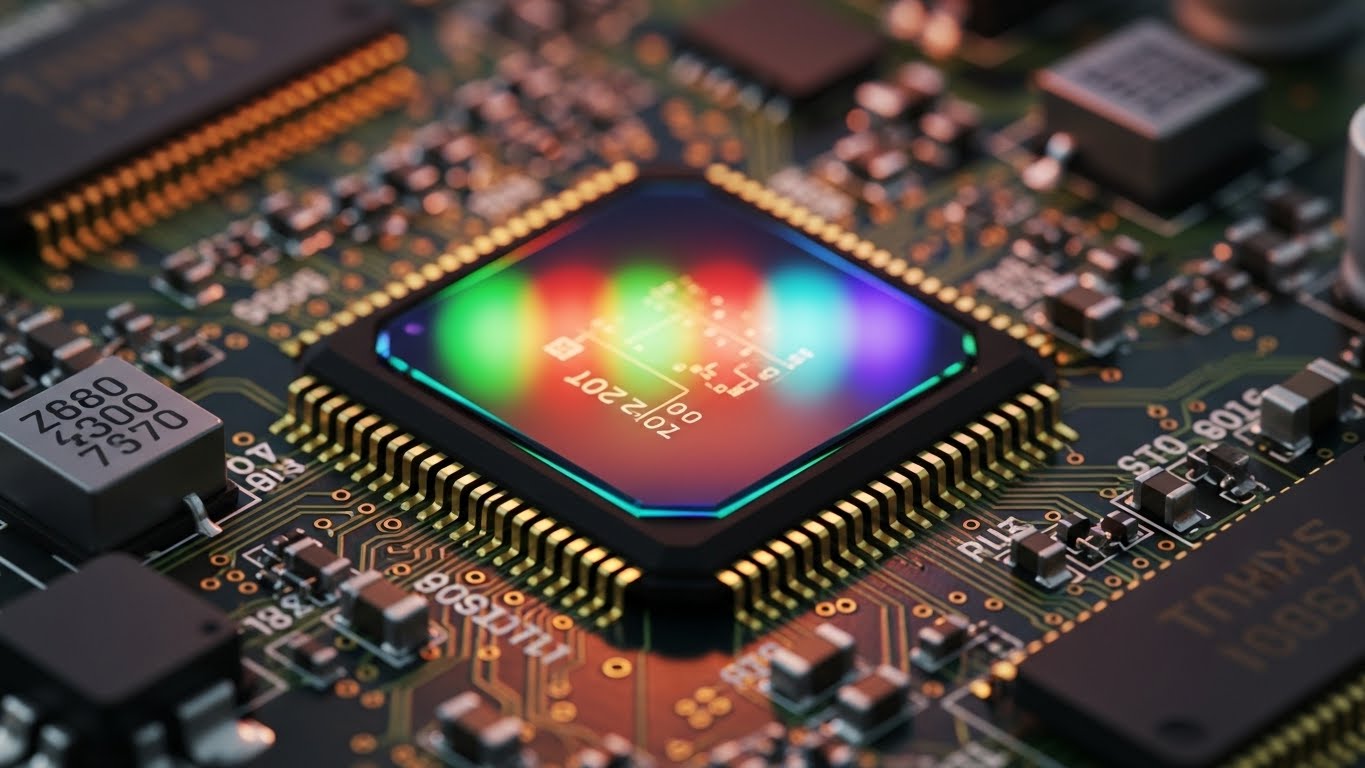
Invisible computing plays a role in the evolution of everyday devices as well. Smartphones have become thinner and more powerful without increasing complexity for users. Wearables monitor health metrics continuously with sensors so small that users barely notice them. Even household appliances now feature embedded chips that track usage patterns and adjust functionality automatically.
The trend is clear. Technology is becoming less about physical components and more about the intelligence embedded within those components. In the future, devices may be so subtle and compact that the line between digital and physical objects becomes blurred entirely.
Automation Working Behind the Scenes
Automation is one of the most significant examples of invisible technology. While industrial robots and factory automation once drew significant attention, today’s automation systems are designed to work quietly in the background. Software automates business workflows, financial systems analyze patterns without human involvement, and digital platforms optimize operations in real time.
The goal of automation is not just to reduce manual labor but to eliminate inefficiencies that humans may not even notice. Automated systems can detect bottlenecks, predict demand, prevent errors and provide support without interrupting human workflows. This level of subtle integration reflects the broader shift toward technology that enhances human capabilities without overshadowing them.
The Ethical Considerations of Invisible Tech
As invisible technologies become more powerful, important ethical considerations arise. Transparency becomes essential when systems operate silently. People must understand how their data is used and have control over the technologies that influence their lives. Trust can only be built when companies and developers are clear about how these systems function.
Privacy is another major concern. Invisible technology often relies on constant data collection to operate effectively. While this can create a more personalized and efficient experience, it also introduces risks. Safeguards must be built into systems to prevent misuse, and users should retain autonomy over the information they share.
Ensuring fairness and avoiding unintended consequences is also critical. Invisible AI systems may make decisions that affect people without their knowledge. Establishing guidelines for accountability will be essential as these systems become more integrated into society.
What the Future Holds for Invisible Technology
Looking ahead, the silent revolution will only grow stronger. Future devices may become nearly imperceptible. AI may evolve to anticipate complex human needs with extraordinary precision. Smart environments will expand from single households to entire communities. Connectivity will become so ubiquitous that the digital world will blend seamlessly with the physical one.
In this future, technology will feel less like a tool and more like an organic part of everyday life. It will support human creativity, improve health and safety, enhance productivity and provide greater convenience. The invisible nature of these systems does not diminish their power. Instead, it allows technology to operate harmoniously within human environments.
Conclusion: Embracing the Quiet Transformation
We are living in a time of remarkable technological change, and much of it is happening quietly. Invisible technologies shape our routines, inform our decisions and enhance our experiences without demanding attention. They represent a new era where innovation flows beneath the surface, creating a digital environment that is more intuitive, more efficient and more deeply connected than ever before.
By understanding and embracing this silent revolution, we prepare ourselves for a future where technology becomes an integrated partner in our daily lives. The most powerful innovations are not the ones we see, but the ones we feel through improved experiences, seamless interactions and effortless solutions. The invisible is becoming the new frontier of digital progress, and its impact will define the next chapter of technological evolution.