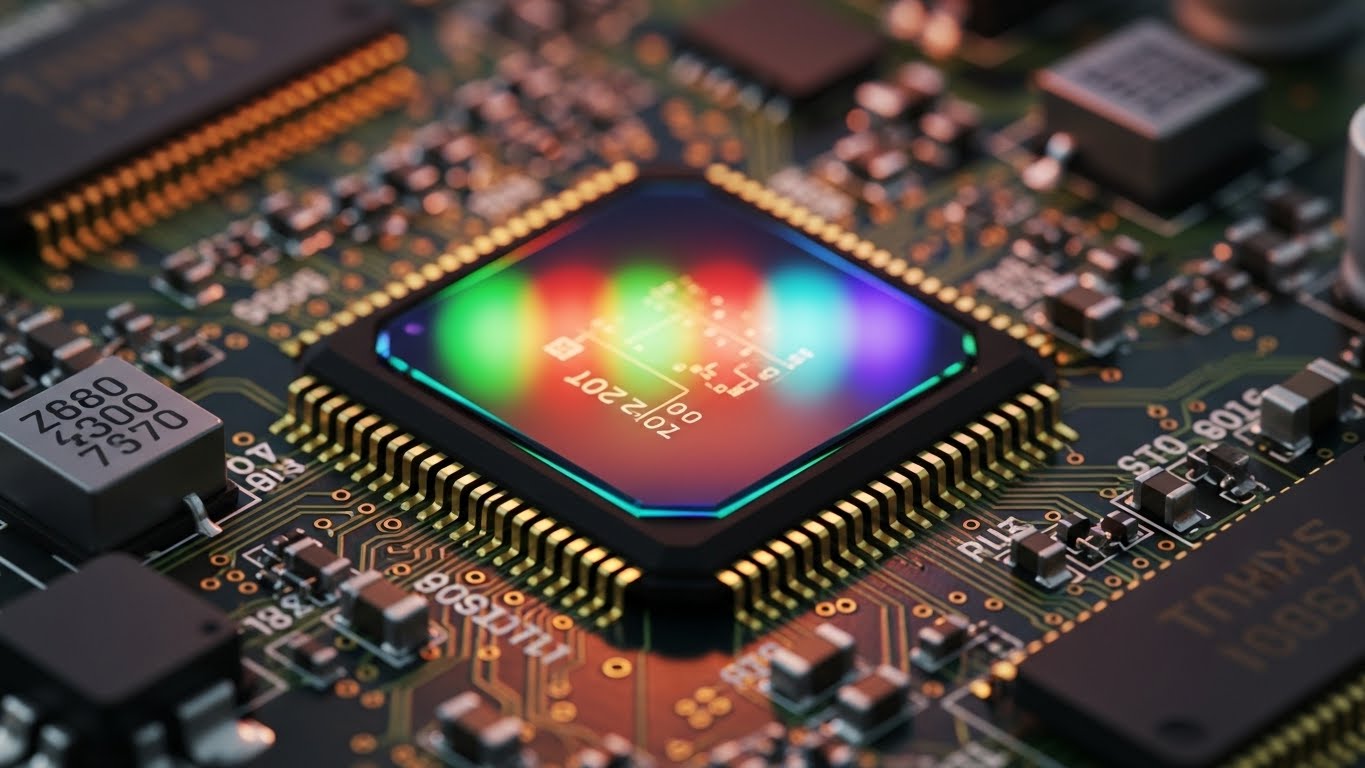

Introduction: Technology as the Engine of Progress
Technology is no longer just a convenience; it is the driving force behind modern society. It influences the way we communicate, learn, work, and live. From smartphones to artificial intelligence, technology has infiltrated almost every aspect of daily life, creating opportunities and challenges alike. In recent years, the pace of innovation has accelerated dramatically, reshaping industries and lifestyles at a speed unimaginable in previous decades. This blog explores the evolution of technology, its impact on various sectors, and the future possibilities it holds for humanity.
The Evolution of Technology: From Simple Tools to Smart Systems
The history of technology is the story of human ingenuity. Early humans created tools to solve basic problems, from hunting to building shelters. Over centuries, inventions such as the printing press, electricity, and telecommunication transformed society. The 20th century brought computers, which revolutionized how we process information, and the internet connected people worldwide.
Today, technology has progressed from basic devices to complex systems capable of learning, adapting, and interacting with humans in unprecedented ways. Innovations in computing, networking, and automation have laid the foundation for artificial intelligence, the Internet of Things, and smart infrastructure, shaping a world where technology is deeply intertwined with human life.
Artificial Intelligence: Machines That Learn and Think
Artificial intelligence, or AI, represents a major milestone in technological development. AI allows machines to analyze data, recognize patterns, and make decisions with minimal human intervention. Applications of AI are broad: healthcare leverages AI for accurate diagnosis and treatment recommendations, businesses use AI to streamline operations, and financial institutions rely on AI for risk analysis and fraud detection.
AI is also entering creative domains. It can compose music, generate artwork, and even assist in writing and content creation. While AI enhances efficiency and innovation, it also raises important questions about ethics, privacy, and employment. The key challenge lies in leveraging AI responsibly to maximize benefits while minimizing societal risks.
The Internet of Things: Connecting Devices and Enhancing Efficiency
The Internet of Things, or IoT, refers to networks of connected devices that communicate and exchange data. Smart home systems, wearable technology, and industrial sensors exemplify how IoT is transforming everyday life. Smart thermostats, lights, and security systems offer convenience and energy efficiency, while factories use IoT to optimize production and reduce waste.
IoT extends beyond homes and industries. Smart cities employ IoT to monitor traffic, manage energy, and improve public services. The widespread adoption of IoT also raises security concerns, as more devices online increase the risk of data breaches. Ensuring cybersecurity is critical to protecting sensitive information and maintaining trust in connected systems.
Mobile Technology: Empowering the World in Your Pocket
Mobile technology has revolutionized how people interact with the digital world. Smartphones have evolved from basic communication tools into versatile devices that support communication, entertainment, education, and work. Mobile applications provide services that were once limited to desktops, empowering users to perform complex tasks on the go.
The expansion of 5G networks is enhancing mobile technology by enabling faster connectivity and lower latency. This development opens doors for real-time applications such as augmented reality, telemedicine, and autonomous vehicles. Mobile technology continues to be central to digital innovation, connecting billions of people and facilitating a wide array of services worldwide.
Cloud Computing: Transforming Data Management and Collaboration
Cloud computing allows individuals and businesses to store and access data remotely, eliminating reliance on physical hardware. This innovation has transformed collaboration, enabling teams to work together across geographical boundaries. Businesses can scale operations, manage large datasets, and deploy applications without investing in costly infrastructure.
Cloud technology also underpins modern innovations such as AI and big data analytics. By providing scalable and flexible computing resources, cloud platforms allow complex computations and real-time analysis. For individuals, cloud services offer convenience, allowing access to personal files and applications from any device at any time, making digital life more efficient and organized.
Robotics and Automation: Redefining Work and Productivity
Robotics and automation are reshaping industries and redefining human labor. In manufacturing, robots perform repetitive tasks with precision, reducing errors and boosting efficiency. In healthcare, robotic systems assist in surgeries and patient care. Service robots are now being used in homes, hospitals, and airports, performing tasks that improve daily life.
Automation allows humans to focus on strategic and creative tasks while machines handle routine activities. The integration of robotics with artificial intelligence has led to the development of intelligent machines capable of adapting to dynamic environments, making work more efficient and opening new possibilities for innovation.
Virtual Reality and Augmented Reality: Immersive Experiences
Virtual reality (VR) and augmented reality (AR) are transforming how we experience digital content. VR immerses users in fully digital environments, offering simulations for gaming, education, and professional training. AR overlays digital information onto the real world, enhancing navigation, education, and industrial design.
For example, VR allows medical students to practice surgeries in realistic simulations, while AR helps engineers visualize and manipulate complex machinery in real time. These immersive technologies are poised to redefine learning, entertainment, and professional workflows by creating interactive and engaging experiences.
Cybersecurity: Protecting the Digital Ecosystem
As technology grows more sophisticated, cybersecurity becomes increasingly critical. Cyber threats such as hacking, ransomware, and identity theft pose serious risks to individuals, businesses, and governments. Protecting sensitive data requires robust encryption, secure authentication, and continuous monitoring.
Cybersecurity is not just a technical issue but also a human responsibility. Awareness and safe practices, such as using strong passwords and recognizing phishing attempts, are essential. As digital systems expand, the need for comprehensive cybersecurity strategies becomes even more vital to maintain trust and ensure safe adoption of new technologies.
Technology in Healthcare: Revolutionizing Medicine
Technology has transformed healthcare, making it more efficient, accessible, and personalized. Wearable devices monitor vital signs in real time, AI assists in diagnosis, and telemedicine connects patients with doctors remotely. Electronic health records enable seamless sharing of medical information, improving patient care and treatment accuracy.
Emerging fields such as genomics and personalized medicine are leveraging technology to create tailored treatments for individuals. Medical robots, automated laboratories, and predictive analytics are further enhancing healthcare outcomes. Technology in medicine is making healthcare proactive, precise, and patient-centered.
Technology in Education: Learning in the Digital Age
Digital technology has revolutionized education. Online learning platforms, educational software, and virtual classrooms provide access to knowledge anywhere, anytime. Students can collaborate globally, engage with interactive simulations, and access personalized learning experiences.
Artificial intelligence in education allows adaptive learning, where content adjusts to individual student needs. Gamification and immersive learning enhance engagement, critical thinking, and problem-solving skills. Technology is equipping learners with the skills and knowledge required to thrive in an increasingly digital world.
Sustainability and Green Technology
While technology drives innovation, it also has environmental consequences. Electronic waste, energy consumption, and resource depletion are challenges the tech industry faces. Green technology focuses on reducing environmental impact through sustainable practices, energy-efficient devices, and renewable energy solutions.
Smart grids, electric vehicles, and solar energy systems demonstrate how technology can contribute to sustainability. Companies are increasingly adopting eco-friendly designs and circular economy practices, ensuring that technological progress supports environmental stewardship as well as economic growth.
The Future of Technology: Opportunities and Challenges
The future of technology promises exciting opportunities and challenges. Artificial intelligence will continue to advance, robotics will enhance productivity, and VR/AR will redefine experiences. Mobile, cloud, and IoT technologies will make connectivity ubiquitous and seamless.
However, technological advancement must be managed responsibly. Ethical considerations, data privacy, cybersecurity, and equitable access remain critical challenges. The digital divide must be addressed to ensure that all individuals benefit from technological progress. Balancing innovation with responsibility will be key to building a future that is inclusive, sustainable, and beneficial to society.
Conclusion: Embracing the Tech-Driven Era
Technology is more than a tool—it is a transformative force shaping modern life and the future. From AI and IoT to robotics and cloud computing, technological innovations are redefining industries, education, healthcare, and daily life. While challenges such as cybersecurity, ethics, and sustainability exist, technology offers unparalleled opportunities to improve human life and solve global problems. By embracing technology responsibly and innovatively, society can harness its potential to create a smarter, more connected, and sustainable future. The horizon of technology is vast, and humanity is only beginning to explore its possibilities.